First Grade Squad Embroidery: A Designer’s Real-World Review
I’ve spent a good hour testing and looking over the First Grade Squad design file, not just as a digital preview, but imagining how it would actually behave on fabric. I was preparing a custom canvas tote bag for a client’s daughter who just started first grade—something she could carry her library books in. The second I loaded the design, I knew it would fit that project, but I also started thinking about its broader potential for craft business owners and Etsy sellers. This review walks through what I noticed, where I’d use it, and what deserves a closer look before you press “start” on your machine.
The Personality of the First Grade Squad Embroidery Design
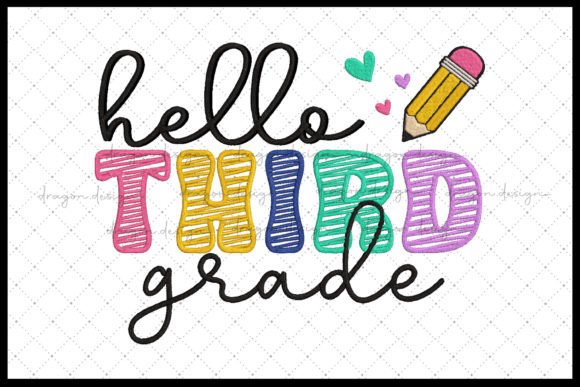
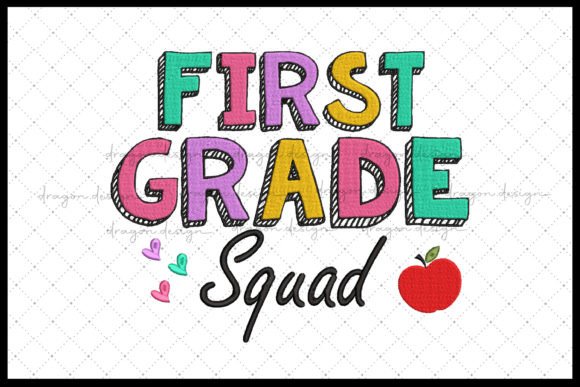
Right away, the First Grade Squad design gives off a friendly, inclusive, slightly playful mood. The lettering carries a bold, childlike confidence without looking messy. It doesn’t scream “cutesy” in a way that ages badly, but it clearly belongs in the back-to-school category. The phrase “First Grade Squad” itself taps into that classroom team spirit kids love, and parents recognize immediately. From a design asset perspective, it’s versatile enough for home decor, kids’ apparel, and gift projects without forcing you into a narrow niche.
Visually, the machine embroidery design relies on a clean layout with strong typography. The shape feels balanced—not so wide that it crowds a small t-shirt chest, not so tall that it throws off proportions on a cap panel. The theme lands squarely in early education nostalgia, which makes it a strong seller for back-to-school seasons, holiday embroidery, and personalized gift markets. I could see this on a tucked-corner pillow cover in a first-grade classroom reading nook, or on a sweatshirt for a teacher’s welcome-back gift.
What the Theme Communicates on Finished Products
When I think about how a buyer perceives a handmade product, the emotional pull of “squad” language adds value. It turns a plain embroidered patch or decorated tee into something that says belonging. For this reason, I’m confident the design carries strong giftability. The back-to-school embroidery motif doesn’t just mark a grade level; it frames an experience. That subtlety matters when you’re pricing finished work for craft fairs or Etsy listings.
Stitching First Grade Squad on Real Garments
I started by visualizing this design on a 7-ounce cotton-blend sweatshirt. The stitch preview showed decent density in the fill areas, with what looked like sturdy satin stitch outlines to hold edges clean. The running stitch underlay seemed logically placed to prevent puckering, but I’d still test on similar fabric first. Small lettering details need careful hooping, but nothing here is so tiny that it risks disappearing. Even the thinner loops looked well-shaped.
For custom apparel applications—think t-shirts, hoodies, or zip-up jackets—the design sits confidently as a left-chest or center-chest piece. On a youth t-shirt, it fits without looking stamped-on. I also tested placement on a cap front. The curved surface demands careful hooping and a slight rotation in software, but once positioned, the design’s vertical rhythm works. It’s not overly tall, which helps avoid distortion near a cap brim.
Where This Design Shines Brightest
- Personalized tote bag design: Use floating threads, bright embroidery thread colors, and a poplin or canvas base. The back-to-school theme turns a plain bag into a cherished item.
- Sweatshirt embroidery: For cool mornings at the bus stop, it’s subtle enough for school dress codes but expressive for kids who love to represent their grade.
- Classroom pillow covers or teacher aprons: A quirky but polished addition to teacher appreciation bundles.
- Embroidered patch applications: Stitch it onto felt or twill, trim closely, and sell as an iron-on patch. The “squad” phrase boosts perceived community value.
- Boutique product branding: Small shops can add this to branded baby embroidery items, nursery decor, or holiday gifts for families with young children.
I often think about how designs perform as Etsy seller products. First Grade Squad has a built-in seasonal relevancy but stays relevant year-round for birthday gifts, graduation exits from kindergarten, or summer camp readiness kits. Listing photos with a mockup showing the design on a crewneck sweatshirt or a structured tote tend to pull in buyers searching for custom apparel with a specific grade level.
When to Proceed With a Little Caution
No design is perfect for every fabric or hoop, and I always look for trouble spots. With First Grade Squad, the main considerations are around textured or unstable surfaces. Fleece can chew up fine satin edges if you don’t use a topping. On thin, stretchy fabric like jersey, extra cut-away stabilizer is non-negotiable, especially near the lettering centers. I would not use this at a very small hoop size below 4x4 inches without checking the file’s minimum dimensions; tiny details in the letter loops could become fragile if reduced too much.
Dark fabric adds another layer of consideration. The design likely uses bright, saturated thread colors to pop off a white or pastel background, but on charcoal or black, you might need to preview it digitally first. I sometimes run a printable mockup in grayscale to see whether the contrast holds up without the color boost. If you’re stitching on dark denim or navy caps, be prepared to adjust thread colors slightly or add a subtle underlay backing.
Products that need frequent washing—kitchen towels, bibs, baby onesies—should be tested with a soft backing and a gentle stitch length. The design seems stable enough for moderate laundry cycles, but high-density fill stitch zones can stiffen with repeated agitation if you skip a quality stabilizer. I’d also avoid placing it directly over zippered seams or pockets, where the presser foot could bounce and misalign stitches on the smaller letters.
Practical Notes From My Embroidery Toolkit
Whenever I bring a new digital embroidery file into my workflow, I run a short checklist. For First Grade Squad, here’s what I’d prioritize:
- Test on scrap fabric first. Use the same fabric weight and weave as your final blank. I test with a scrap from the canvas tote bag project to see how the design pulls.
- Check thread color contrast. The design may shine with coral-and-navy combos for one client, or soft pastel lavender for another. Have your client approve a thread chart early.
- Review stitch density. Look carefully at filled areas to ensure they don’t become bulletproof. A dense satin stitch on lightweight cotton can feel like plastic.
- Confirm hoop size compatibility. If your machine has a 5x7 field, that’s likely ideal; 4x4 could work but verify the file’s actual stitch area.
- Inspect small details in the preview. Zoom in on any looped letterforms or thin connecting points, especially where a running stitch meets a fill area.
- Test in black and white. A quick mockup screenshot can reveal if the design loses shape without color, which matters for embroidered patches or monochrome applications.
- Use proper stabilizer for the fabric. No-show mesh for jerseys, fusible for caps, and a tear-away for sturdy totes.
- Check commercial usage rights. Before selling finished items, review the license that came with the embroidery file. Many digital products allow small business use, but you need to confirm.
I’ve learned the hard way that skipping even one of these steps can turn a promising design into a frayed, time-wasting mess. The First Grade Squad file appears well-digitized, but a quick sew-out test validates your own machine tensions and thread paths.
Speaking From a Craft Business Owner Perspective
If you’re listing this on Etsy or bringing it to a school pop-up market, the design pulls emotional weight. A personalized gift with a child’s name added beside “First Grade Squad” becomes a keepsake parents buy instantly. I’d consider offering it as a bundle with a matching teacher design. Your listing photos should show it on a cream sweatshirt, a natural cotton tote bag, and maybe clipped onto a backpack tag mockup. The variety signals to buyers that it isn’t limited to one product type.
For commercial embroidery work—batch orders of staff tees for a school fundraiser or uniform patches—the design holds up visually even at scale. The shapes are clear enough that viewers recognize the design from a distance. That visibility strengthens brand consistency for a school shop or boutique. As a digital embroidery file, it also serves as a design asset in subscription packs or limited-run seasonal collections. Just remember to communicate clearly about the file formats you’re offering and whether the purchase includes commercial rights.
In the creative community, designs that walk the line between cute and practical always earn repeat attention. First Grade Squad does that well. It’s not fussy, not overly trend-dependent, and not hard to work with when you match it to the right blank. My real test will be that tote bag for my client—and I’m expecting a smiling child on delivery day. That’s the ultimate feedback loop for any embroiderer.